Carbon Zero — Ocean News Platform
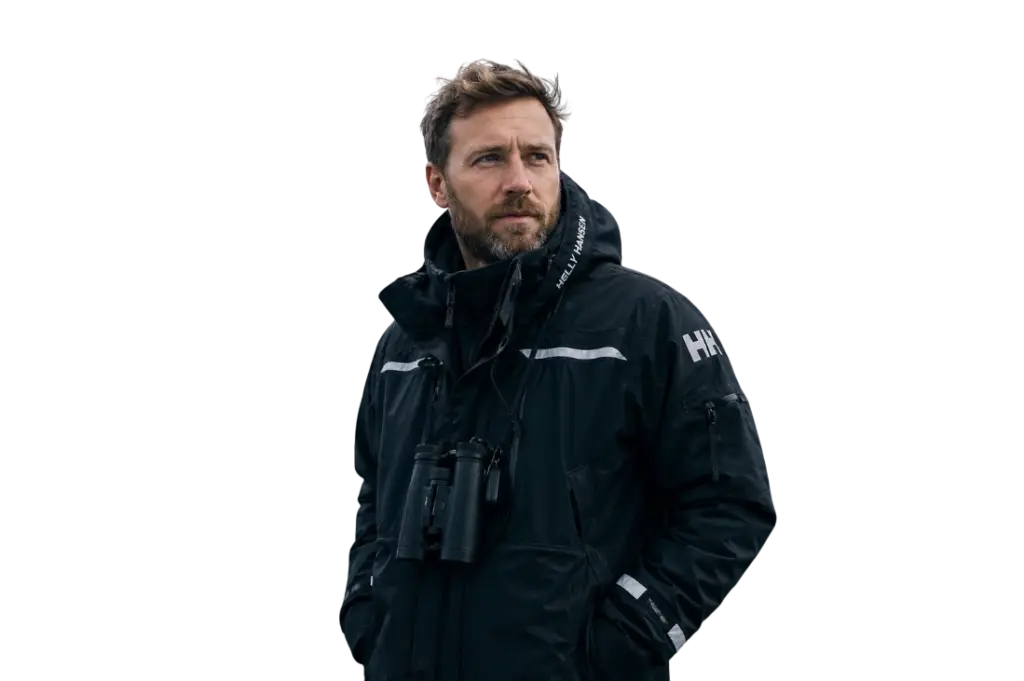
Carbon Zero is an ocean news platform built to document, analyze, and explain events across seas, coastlines, and maritime systems. The project is led by Erik Halvorsen, a former maritime field reporter and offshore operator with direct experience in vessel operations, extreme water environments, and incident reconstruction. The platform answers a simple question: what is happening on the water, and how does it actually work.
Latest ocean reports
Recent posts from Carbon Zero
-
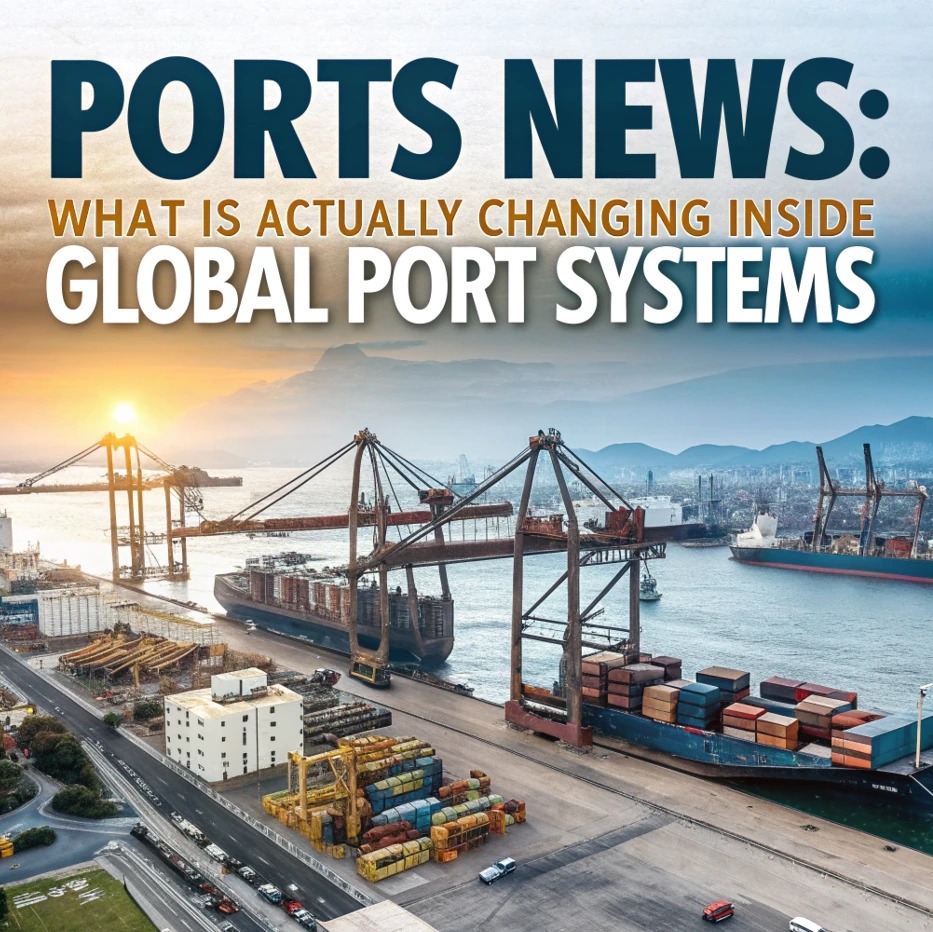
Ports News: What Is Actually Changing Inside Global Port Systems
Ports news in 2026 is no longer a collection of separate updates about vessel queues, new terminals, labor…
-
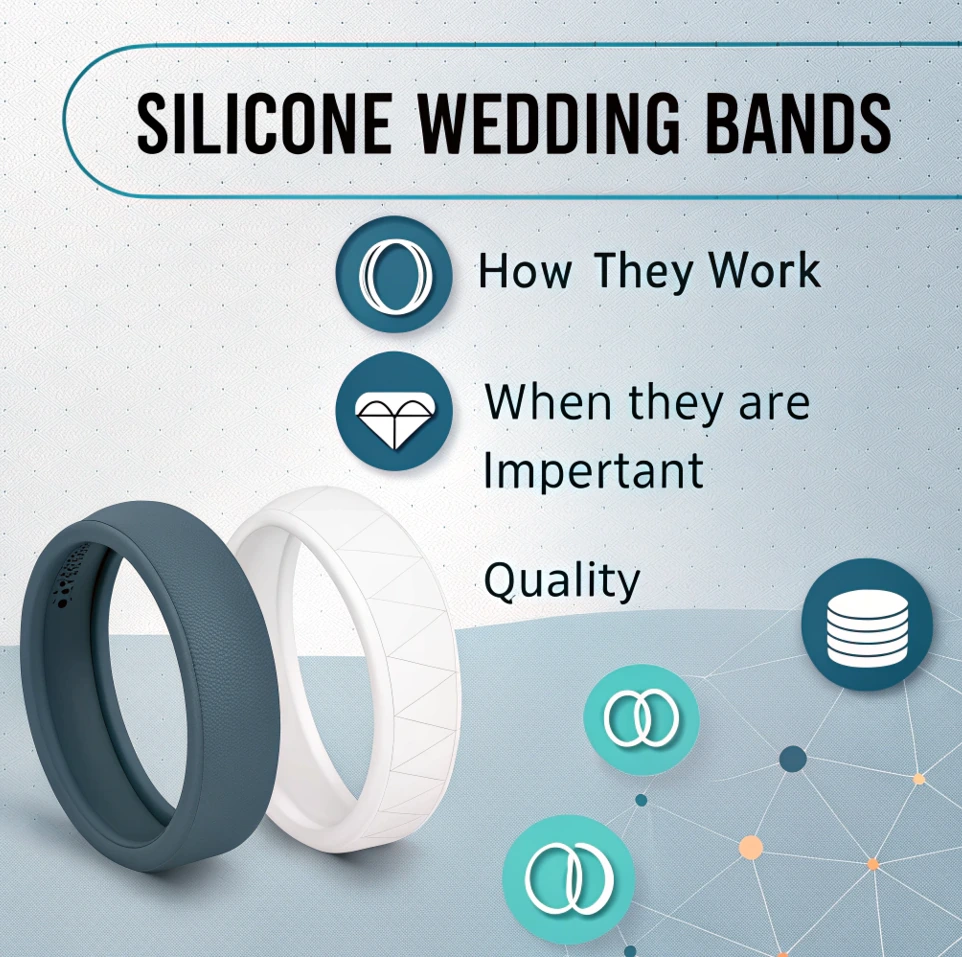
Silicone Wedding Bands: How They Work, When They Matter, and What Defines Quality
Silicone wedding bands exist for one practical reason: they give people a way to keep wearing a wedding…
-
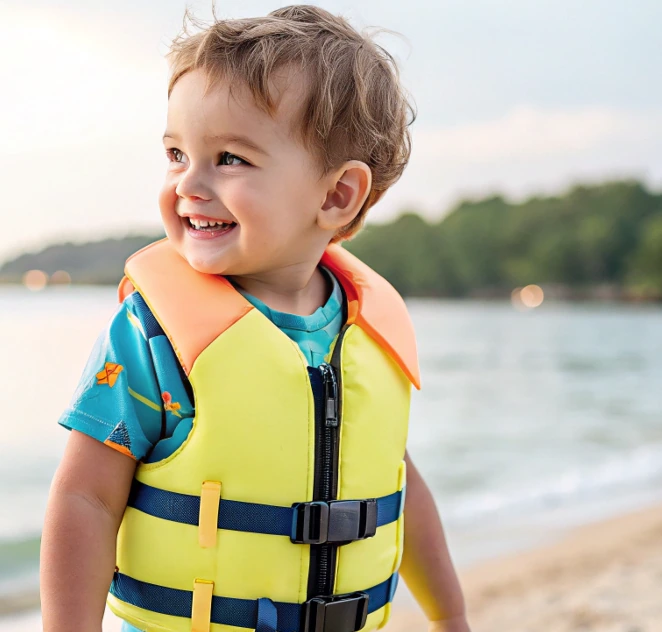
Toddler Life Jacket: How Fit and Design Define Safety
A toddler life jacket is a safety device only when it fits the child correctly and performs in…
-
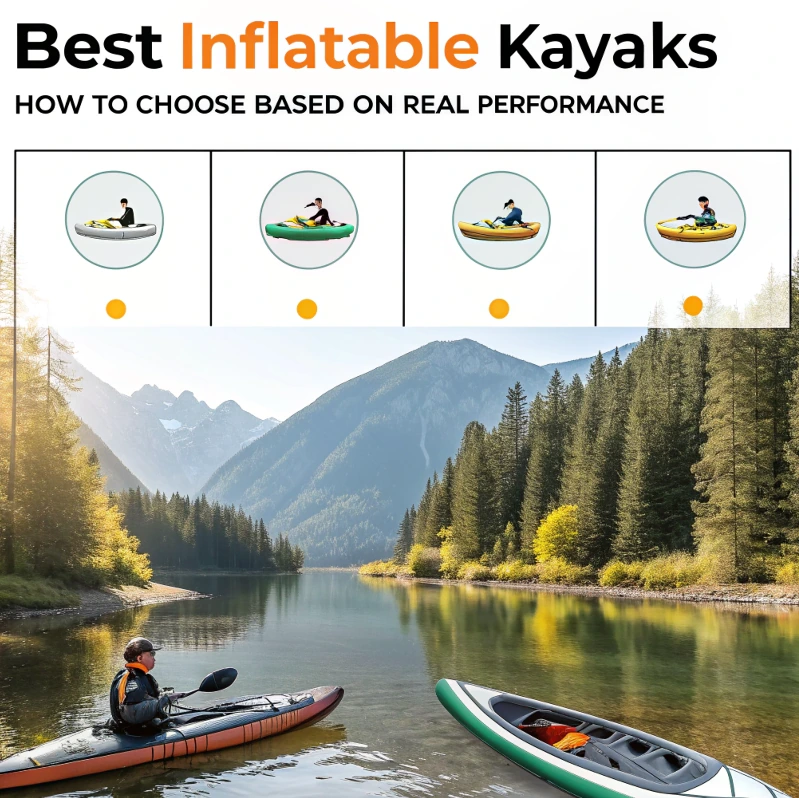
Best Inflatable Kayaks: How to Choose Based on Real Performance
The best inflatable kayaks are not defined by one brand, one price range, or the most aggressive product…
-
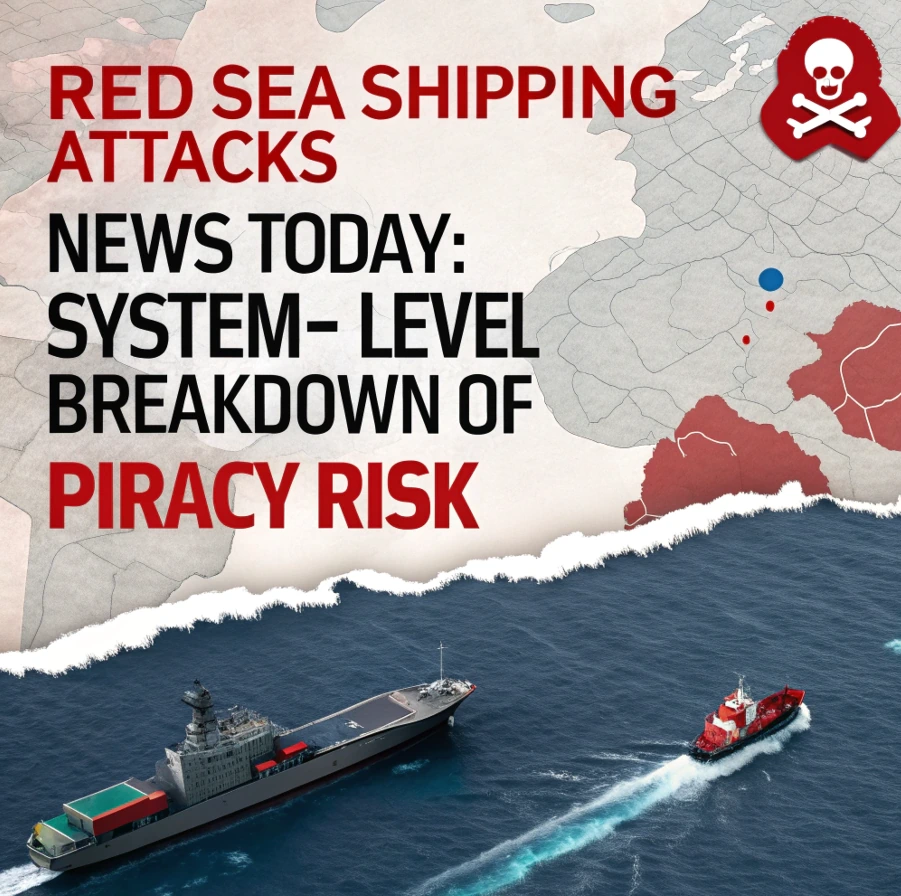
Red Sea Shipping Attacks News Today: System-Level Breakdown of Piracy Risk
Red Sea shipping attacks news today cannot be understood only by looking at missile threats, naval warnings, or…
-
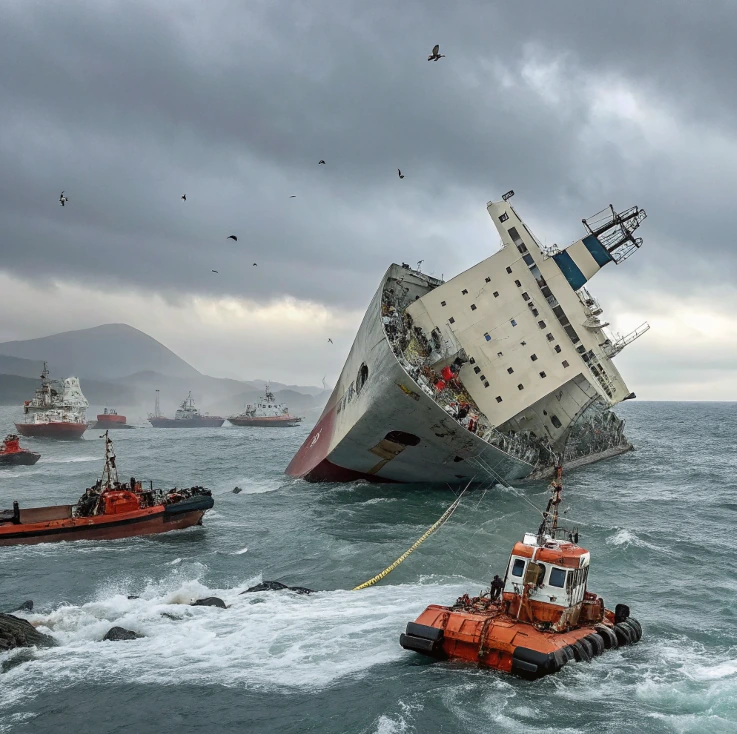
Cargo Ship Incident: Reconstruction of the Mariana Capsizing
The loss of contact with a cargo ship rarely happens without a sequence of failures aligning under pressure.…
What Carbon Zero is and how it works
Carbon Zero is a structured ocean news platform focused on maritime systems, real-time incidents, and water-based activity. The platform operates as a continuous reporting layer where each event is documented, verified, and broken down into operational steps.
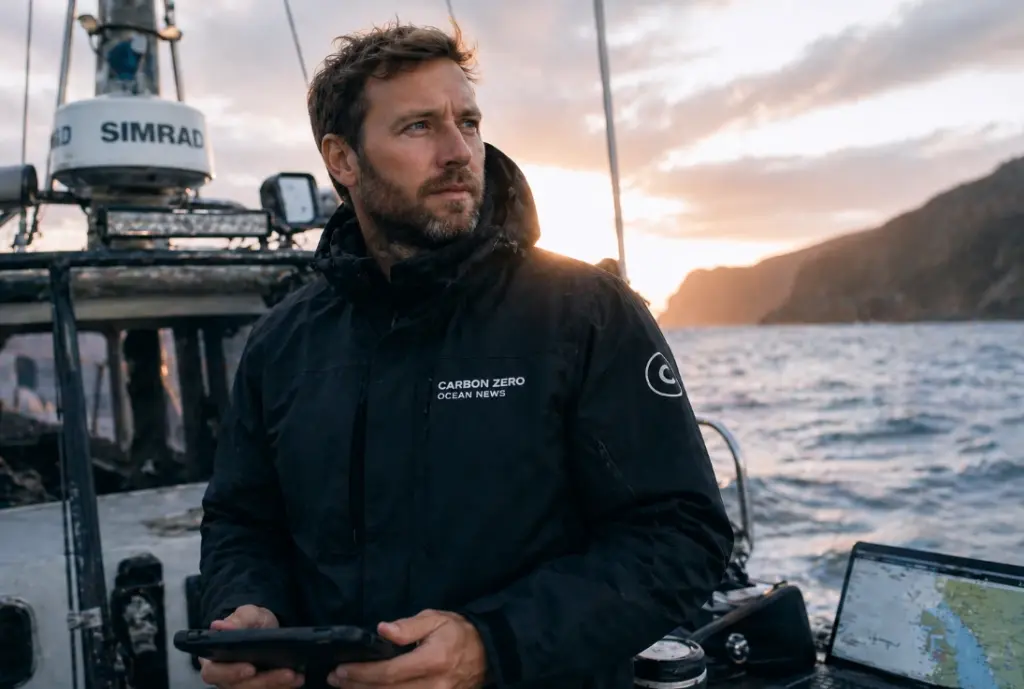
Unlike general news sources, Carbon Zero does not prioritize volume. It prioritizes signal clarity. Every report follows a consistent model that tracks event origin, environmental conditions, human decisions, and system response. This approach allows readers to understand not just what occurred, but how it developed in real conditions.
Continuous reporting layer
Each event is documented, verified, and broken down into operational steps.
Confirmed data updates
Each report evolves as new data is confirmed.
Core coverage areas across ocean and maritime systems
Oceans, shipping, coastlines and water-based environments
Carbon Zero covers all major domains connected to oceans, shipping, and water-based environments. Each category is treated as part of a larger system rather than an isolated topic.
Coverage includes:
Maritime incidents and operational failures
Incidents at sea are documented with emphasis on sequence and causality. The platform tracks collisions, groundings, onboard fires, and search-and-rescue operations.
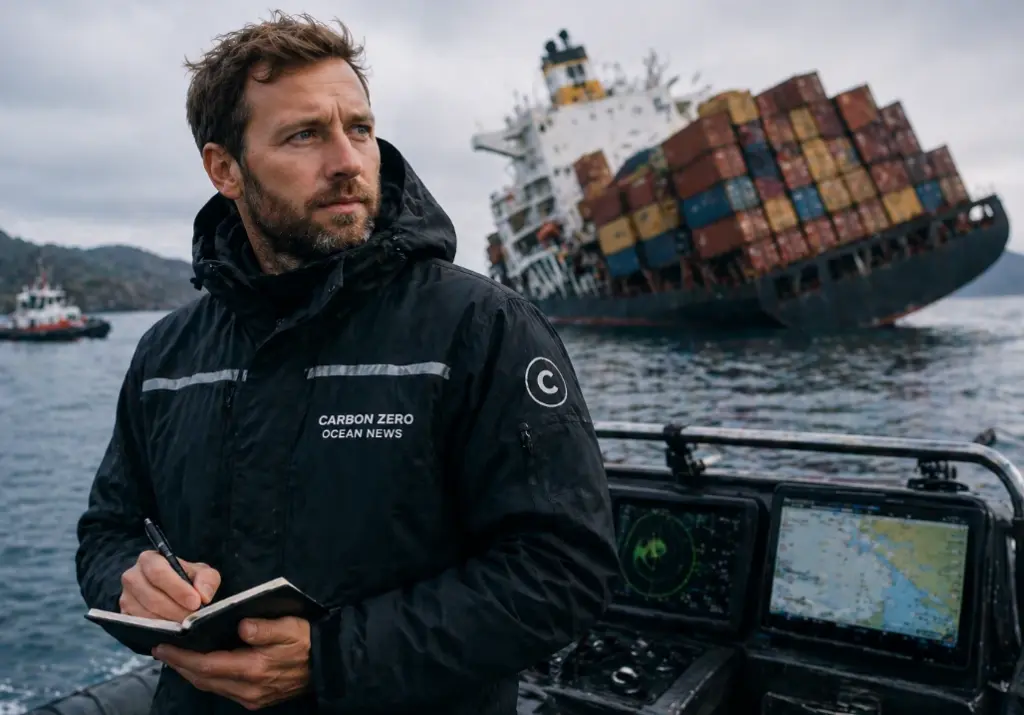
Each case is analyzed through a structured lens where initial conditions, triggering events, and system failures are mapped. This allows identification of recurring patterns across different regions and vessel types.
Shipping, cruise operations and logistics flow
Commercial shipping and cruise activity are monitored as dynamic networks. Carbon Zero reports on route congestion, fleet changes, port delays, and onboard system disruptions.
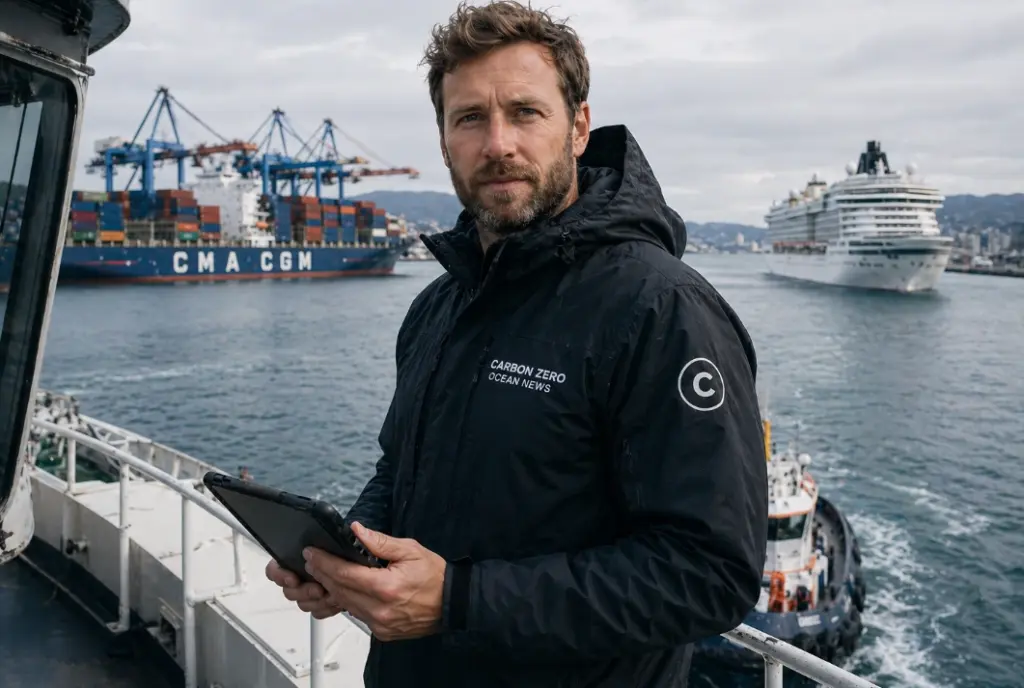
Operational timing, capacity limits, and environmental constraints are integrated into each report. This creates a clearer picture of how maritime movement is coordinated and where it becomes unstable.
Ocean conditions and environmental factors
Ocean conditions are treated as active variables rather than background context. Storm systems, wave height, visibility, and current patterns directly affect routing and safety.
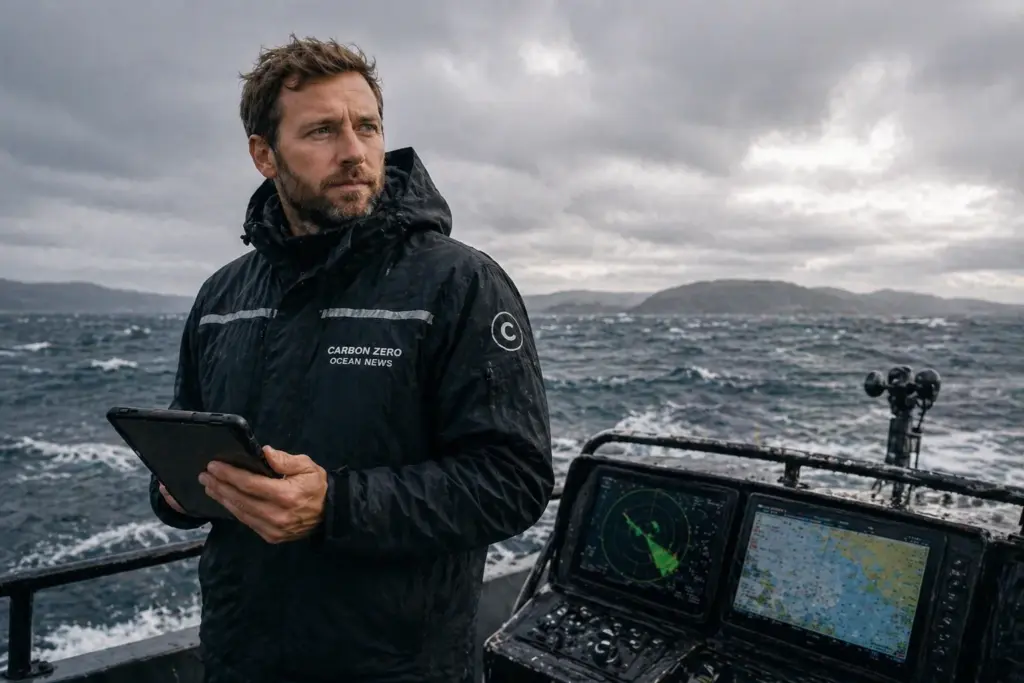
Each environmental factor is tied to measurable operational impact. For example, wave intervals and wind direction influence vessel stability, while visibility constraints affect navigation accuracy.
Water sports and high-risk coastal activity
The platform also tracks individual-level interaction with water systems. This includes surfing conditions, jet ski activity, endurance crossings, and competitive water sports.
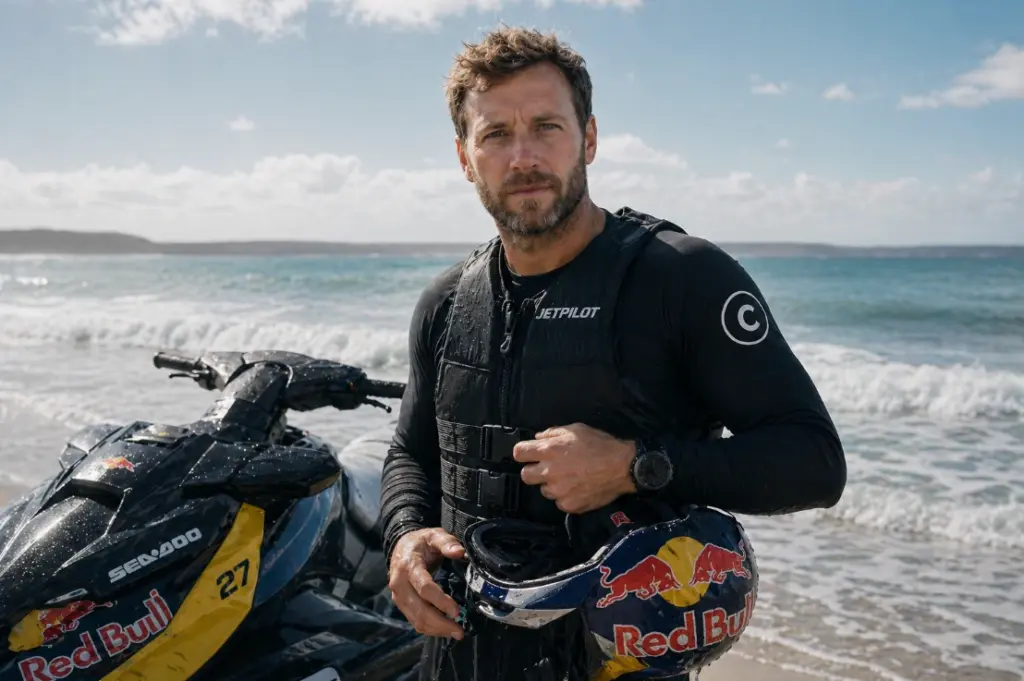
The focus remains on performance constraints, environmental exposure, and decision-making under pressure. This perspective is shaped by direct experience in high-risk water environments.
Reporting methodology and verification system
Carbon Zero operates through a defined reporting framework where each event is processed through validation, decomposition, and technical clarification.
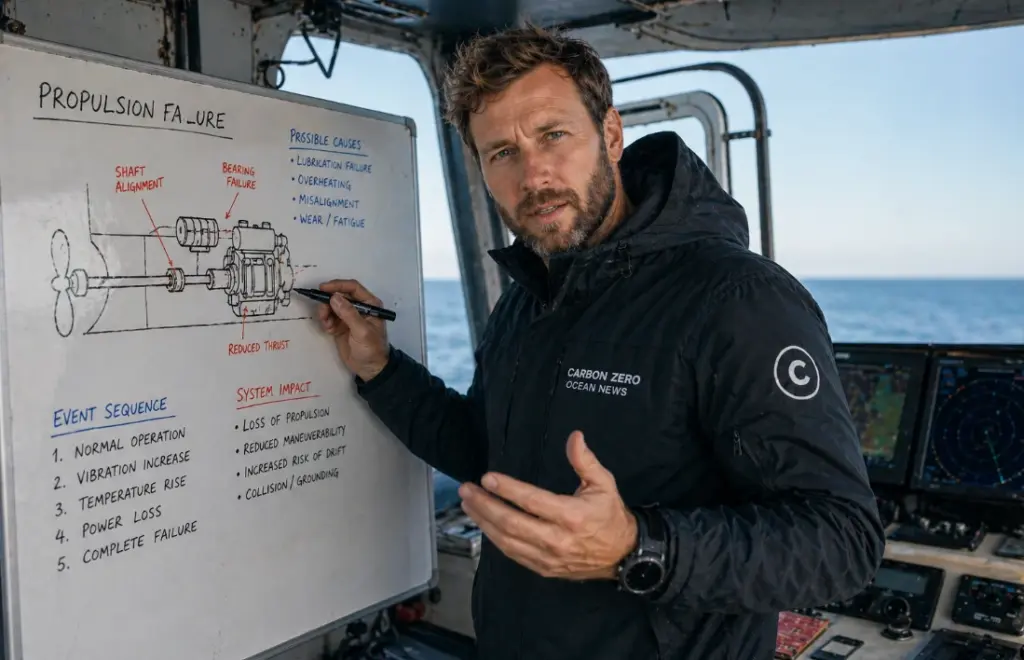
All updates are built from traceable data inputs. These include vessel tracking signals, port communications, and direct operator statements. Visual confirmation is used when available.
Source validation and timing control
Timing is treated as a variable. Early-stage reports are labeled with uncertainty ranges and updated as new information becomes available. This prevents premature conclusions.
Event decomposition model
initial condition
triggering factor
response sequence
outcome
Each incident or update is broken down into four stages: initial condition, triggering factor, response sequence, outcome. This model allows consistent comparison across different cases and removes ambiguity from interpretation.
Technical clarity and system identification
Every report identifies the system involved in the event. This can include propulsion failure, navigation error, or procedural breakdown. The use of precise terminology ensures that each event is described through its actual mechanism rather than general assumptions.
Operational structure and data layers
Carbon Zero is built as a layered system where different types of data contribute to a unified reporting structure.
| Data Layer | Source Type | Function |
|---|---|---|
| Tracking Data | AIS vessel signals | Position, movement, route patterns |
| Operator Data | Port and company reports | Operational status and decisions |
| Environmental Data | Weather and ocean systems | External conditions and constraints |
| Observational Data | Visual confirmation | Real-world validation |
Each layer interacts with the others. For example, a route deviation in tracking data can be explained through environmental conditions or operator decisions. This integrated structure allows Carbon Zero to move beyond isolated reporting.
Who Carbon Zero is built for
Structured and reliable information about ocean systems.
Carbon Zero serves a defined audience that requires structured and reliable information about ocean systems.
The platform is used by:
Maritime professionals
tracking operational risks
Analysts
studying system behavior and incident patterns
Water sports participants
operating in high-risk environments
Readers
seeking factual, non-speculative ocean news
Shared structure
Each audience segment interacts with the platform differently, but all rely on the same core structure: verified data and system-level explanation.
Field reality and published analysis
The role of Erik Halvorsen
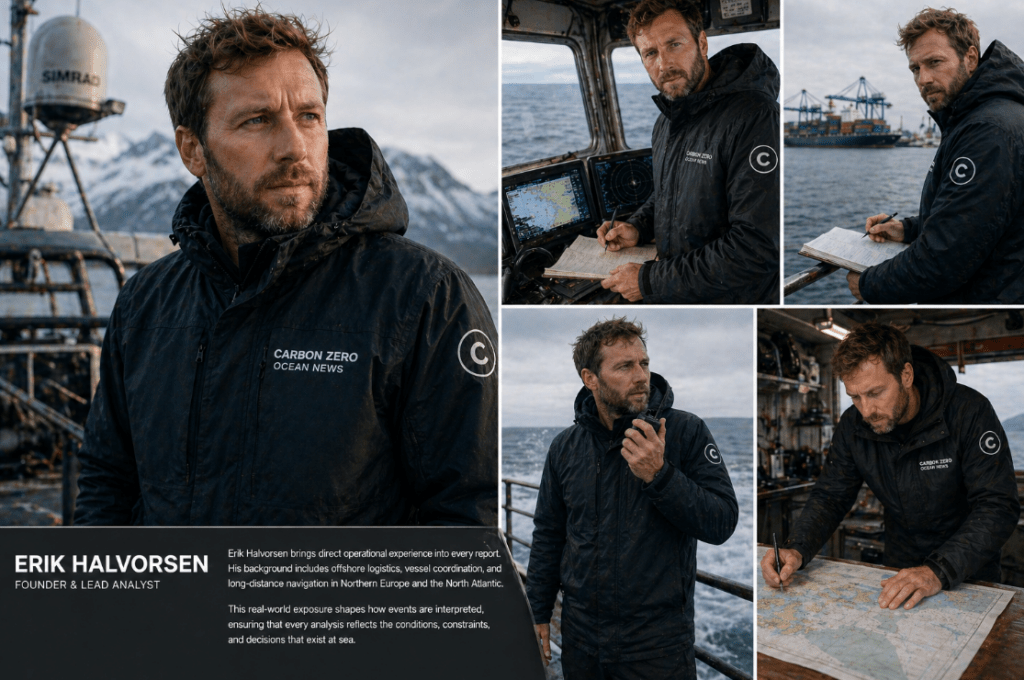
Erik Halvorsen brings direct operational experience into the editorial process. His background includes offshore logistics, vessel coordination, and long-distance navigation in Northern Europe and the North Atlantic.
This experience defines how events are interpreted. Minor technical changes, such as route adjustments or timing delays, are evaluated in the context of environmental stress and system limits.
His reporting approach is shaped by real-world exposure where decisions are constrained by time, weather, and equipment performance. This allows Carbon Zero to maintain consistency between field reality and published analysis.
Why the platform is called Carbon Zero
The name Carbon Zero reflects a constraint-based view of maritime systems. At sea, operations are defined by limits: fuel capacity, weather windows, weight distribution, and timing precision.
Operational boundaries
Understanding these limits is critical to understanding outcomes. When a system exceeds its operational boundary, failure becomes more likely. Carbon Zero is built to track those boundaries and document what happens when they are approached or crossed.
How Carbon Zero evolves over time
The platform is designed to build a structured archive of maritime events and ocean activity. Over time, repeated patterns become visible across incidents, routes, and environmental conditions.
The concept also aligns with environmental pressure on ocean systems. Maritime activity and ecological conditions are interconnected, and this relationship influences long-term operational risk.
This creates a reference system where new events can be evaluated against past cases. Instead of isolated news updates, Carbon Zero develops a continuously expanding knowledge layer.
The long-term objective is to map how ocean systems behave under different conditions, using verified data and consistent structure.
Carbon Zero operates as a precision-driven ocean news platform where every event is part of a larger system, and every report contributes to a clearer understanding of how the water world actually functions.